Hong Kong Marine Conditions, Wind & Island Weather Guide
Marine conditions in Hong Kong can change quickly depending on wind direction, swell, season and coastal geography. This guide explains how weather affects island transport, speedboat comfort, route planning and remote island accessibility.
Quick Answer
Wind direction and swell often matter more than temperature when planning island trips in Hong Kong. A destination that is calm under one wind direction may become rough or uncomfortable under another. Marine conditions affect route comfort, landing safety and whether certain islands are realistically accessible.
Why Marine Conditions Matter for Island Trips
Many Hong Kong islands are exposed to open sea conditions, especially in the northeast waters. Wind direction, wave reflection, swell and seasonal monsoon patterns can affect both comfort and route feasibility.
Public ferries may continue operating under conditions that are uncomfortable for some passengers, while small speedboats may need to adjust routes or timing depending on sea state.
Understanding basic marine conditions helps travellers choose more suitable destinations and avoid unrealistic expectations.
Marine Factors That Affect Island Trips
- Wind direction
- Wave height & swell
- Northeast monsoon
- Seasonal weather changes
- Open sea exposure
- Landing conditions
- Departure point selection
Common Marine Condition Topics
These guides explain how weather and sea conditions affect different islands and transport arrangements in Hong Kong.
East Wind vs West Wind
Understand how different wind directions affect island routes and sea comfort.
Northeast Monsoon
Seasonal wind patterns and why northeast waters can become rough in winter.
Marine Forecast Guide
Learn how to read Hong Kong Observatory marine forecasts for island planning.
Calm Weather Windows
Why some islands are significantly calmer under certain weather windows.
Different Islands React Differently to Weather
Not all islands experience the same sea conditions. Some routes are more protected, while others are exposed to open sea and seasonal swell.
Northeast Islands
Tung Ping Chau, Port Island and Kat O are more exposed during northeast monsoon season.
Sai Kung Beaches
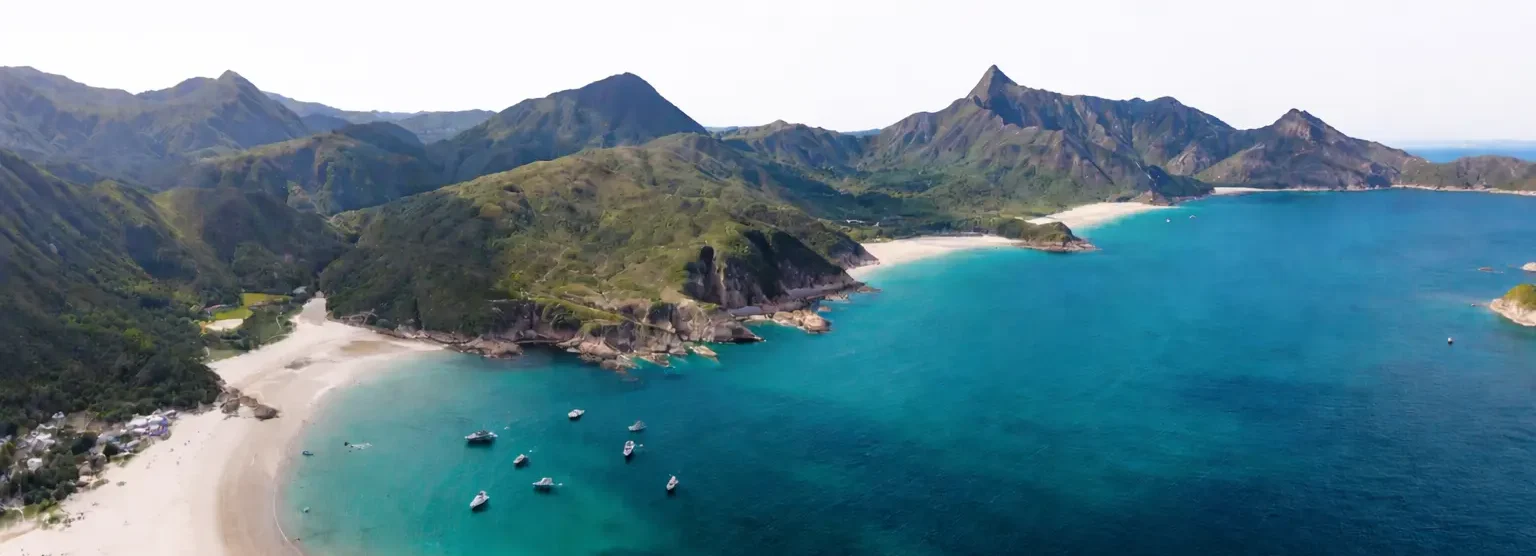
Ham Tin Wan and related beaches may become rough under strong easterly conditions.
Southern Waters
Southern routes may remain calmer under some winter conditions but can still change quickly.
Good Weather Does Not Always Mean Calm Sea
Sunny weather alone does not guarantee smooth marine conditions. Wind and swell may still affect comfort significantly even under clear skies.
Some visitors focus only on rain forecast, but experienced route planning also considers marine forecast, seasonal wind direction and exposure level.
This is especially important for speedboat transport and smaller island routes.
Common Planning Mistakes
- Checking only rain forecast
- Ignoring wind direction
- Assuming all islands behave similarly
- Choosing unsuitable departure points
- Underestimating seasonal swell
Frequently Asked Questions
Which wind direction is usually rough for northeast Hong Kong islands?
Strong northeast and easterly winds commonly affect northeast waters more significantly during monsoon season.
Does sunny weather mean smooth sea conditions?
Not always. Strong swell and wind can still create rough marine conditions even under clear skies.
Why do some routes change departure point?
Different departure points may offer safer or more comfortable conditions depending on wind direction and route exposure.
Planning an Island Trip in Hong Kong?
Tell us your preferred island, date and group size. We can help check whether the route and marine conditions are suitable for your plan.